Emergency Dental Care in Oakdale, PA | Pittsburgh
Learn What to do in all types of Dental emergencies
Stay Calm, Act Fast, and Protect Your Smile
A dental emergencycan be frightening—whether you’re dealing with a broken tooth, severe tooth pain, or a knocked out tooth. In these moments, knowing what to do in a dental emergency can help you stay calm, prevent further damage, and preserve your oral health until you can see a dentist.
At Advanced Dentistry Ameredes & Associates in Oakdale, PA, Dr. TJ Ameredes and Dr. David Mascio provide prompt, compassionate emergency dental care for all types of dental injuries. From cracked teethand lost fillings to dental implantsand root canal therapy, our office is fully equipped to relieve your pain and restore your smile with precision and care.
If you’re in pain or unsure what to do, call our emergency dentists near Pittsburghat (412) 788-6300 for a same-day emergency appointment. Our team will guide you step by step through the process and get you the help you need as soon as possible.
We Can Help With These Emergency Dentistry Conditions:
- Toothache
- Avulsed tooth/knocked out tooth
- Broken tooth
- Loose tooth
- Damaged or lost crowns
- Emergency root canals
- Damaged or inflamed gums
First Steps: How to Respond to Common Dental Emergencies
Every dental emergency is different, but the first few minutes after an injury are often the most important. Acting quickly can prevent tooth loss, infection, or the need for more extensive dental treatment later.
Here’s what to do in the most common situations:
Broken or Chipped Tooth
If you’ve fractured or chipped a tooth:
Rinse your mouth with warm water to keep the area clean.
Save any tooth fragments if possible and bring them with you to the dentist.
Apply a cold compress to reduce swelling.
Use dental wax or sugar-free gum to cover jagged edges and protect your soft tissues.
Avoid biting on the damaged tooth and eat soft foods until you can see a dentist.
Even a small chipped tooth can expose the tooth’s center or tooth enamel, leading to sensitivity or infection. Treatment options might include tooth-colored composite resin, cosmetic contouring, or a dental crownif the crack extends deeper.
Knocked Out Tooth
A knocked out tooth (avulsed tooth) is one of the most urgent dental emergencies. The chances of saving your natural tooth are highest within the first hour.
Pick up the tooth by the crown (the top part), not the root.
If dirty, rinse it gently with water—do not scrub.
Try to reinsert it into the tooth socket, holding it in place with gentle pressure.
If that’s not possible, keep the tooth moist in milk or saliva.
See a dentist as soon as possible—ideally within 30–60 minutes.
If the tooth cannot be saved, dental implants or bridges may be recommended as tooth replacement options.
Severe Tooth Pain or Infection
If your tooth hurts, you may be experiencing deep decay or a tooth infection that requires a root canal.
Gently rinse your mouth with warm salt water to reduce bacteria.
Take a counter pain reliever such as ibuprofen to alleviate discomfort.
Avoid placing aspirin directly on the tooth or gums—it can irritate the tissue.
Call for emergency dental care immediately.
If an abscess or swelling develops, it may indicate infection of the tooth’s pulp or connective tissue. In this case, root canal therapy can remove the infected pulp and save your remaining tooth.
Cracked or Split Tooth
A cracked tooth may not always cause pain, but if the crack extends into the root or the pulp, it can lead to serious infection. Avoid chewing on the affected side, rinse your mouth with warm water, and apply a cold compress for swelling.
If you notice a vertical fracture or deep cracks, see a dentist immediately. You may need a dental crown, bonding, or a porcelain veneer, depending on how deep the crack goes.
Broken or Missing Restorations
Losing a dental filling, crown, or bridge can leave your tooth sensitive and vulnerable. You can use denture adhesive or dental wax as a temporary cover, but avoid using super glue or household materials.
Keep your mouth clean by rinsing gently.
Avoid chewing on the affected side.
Schedule an emergency appointment to replace or reattach the restoration.
Soft Tissue Injuries
Cuts, tears, or punctures to your gum tissue, tongue, or lips can cause significant bleeding.
Rinse your mouth gently with warm salt water.
Apply sterile gauze to apply pressure and stop bleeding.
Use a cold compress to control swelling.
If bleeding continues for more than 15 minutes, go to an emergency room or urgent care center.
While these injuries often look alarming, prompt care can prevent infection and protect your overall oral health.
When to Go to the Dentist vs. the Emergency Room
Knowing when to visit an emergency dentist instead of a hospital emergency room can save time and ensure you get proper treatment.
You should go to the dentist’s office if you experience:
Chipped or broken tooth
Cracked teeth
Lost filling or crown
Severe tooth pain
Tooth infection or abscess
Knocked out teeth
Broken dentures or dental restorations
Go to the emergency room only for:
Uncontrolled bleeding
Broken jaw or facial bones
Severe swelling that affects breathing
Head or neck injuries combined with oral trauma
Your dentist is equipped to handle most dental emergencies, including root canal treatment, tooth extraction, and restoration with bonding material, crowns, or implants.
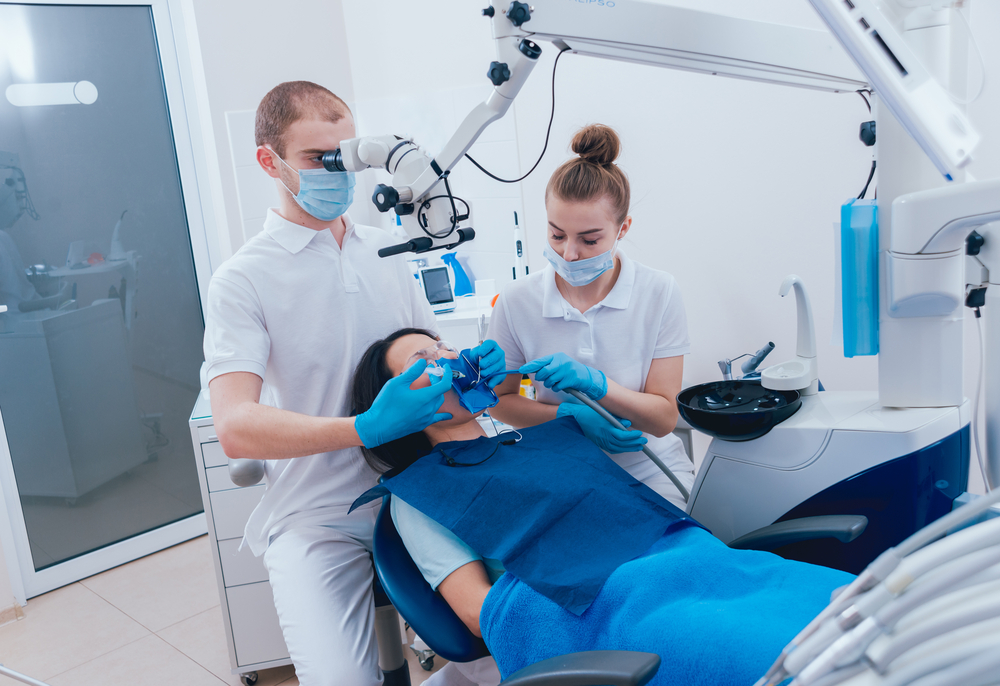
How to Relieve Pain and Protect Your Mouth Before Treatment
While waiting for your emergency appointment, here are some ways to manage pain and protect your mouth:
Rinse your mouth with warm salt water to reduce bacteria and inflammation.
Take over-the-counter pain relievers as directed.
Apply a cold compress to reduce swelling.
Keep your mouth clean by brushing gently and avoiding the affected area.
Stick to soft foods like yogurt, soup, and mashed potatoes.
Use dental wax to protect your tongue or cheeks from sharp edges.
Avoid extremely hot or cold foods, as they can trigger sensitivity, especially if the tooth enamel is exposed.
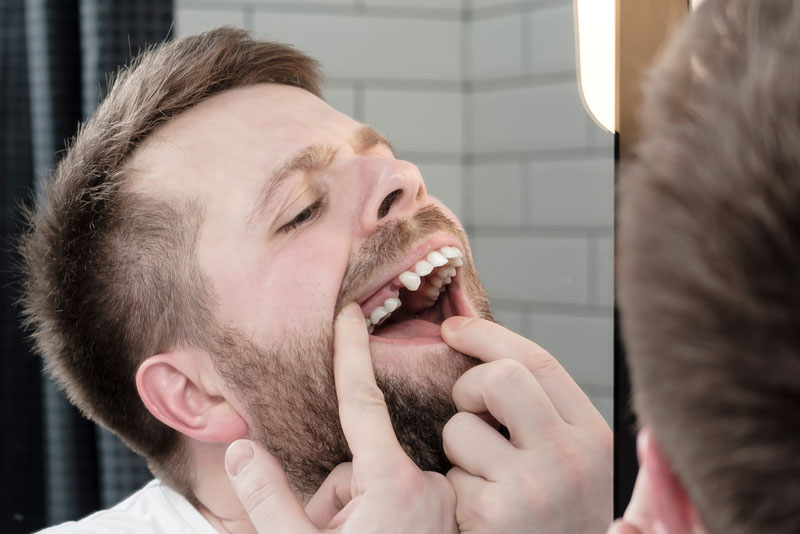
Why Prompt Dental Care Is Essential
Ignoring a dental emergency can cause lasting damage. A tooth infection can spread to surrounding bone or even the bloodstream. A small chipped tooth can fracture further or expose nerves. Even mild tooth pain might indicate a deeper issue like root damage or gum disease.
Getting professional dental care right away helps prevent:
Tooth loss or permanent damage
The need for more invasive dental treatment later
Infection spreading to soft tissues or bone
Long-term sensitivity or discomfort
Timely treatment from a qualified emergency dentist can mean the difference between saving and losing your natural tooth.
Preventing Future Dental Emergencies
While accidents can’t always be avoided, there are simple steps to protect your teeth:
Wear a mouthguard during sports or high-impact activities.
Avoid chewing hard foods like ice or popcorn kernels.
Practice good oral hygiene to prevent decay and gum disease.
Visit your dentist regularly for checkups and cleanings.
Avoid using your teeth to open bottles or packaging.
Address small chips or sensitivity before they worsen.
Consistent dental visits help your dentist spot early signs of wear or weakness in your teeth and dental restorations, reducing your risk of unexpected injury.
Frequently Asked Questions
No. While you can protect the area with dental wax or a cold compress, only a dentist can safely restore a broken or chipped tooth using professional materials.
No, cracks in teeth don’t heal naturally. Immediate care is needed to prevent infection and preserve your tooth’s structure.
You should schedule an appointment as soon as possible, ideally the same day, to prevent further damage or infection.
Advanced Dentistry Ameredes & Associates accepts dental insurance, offers payment plans, and accepts major credit cards to make emergency treatment more affordable.
Get Expert Emergency Dental Care in Oakdale, PA
When you’re facing a dental emergency, every minute matters—but you don’t have to face it alone. Dr. TJ Ameredes and Dr. David Mascio at Advanced Dentistry Ameredes & Associates are here to provide gentle, effective, and affordable emergency dental care in Oakdale.
If you’re experiencing tooth pain, a broken tooth, or any other urgent problem, call (412) 788-6300 today for help. Our emergency dental team in Oakdalewill walk you through what to do in a dental emergency, provide immediate relief, and restore your smile with expert care.