Sedation Dentistry Offers Relief for Dental Anxiety
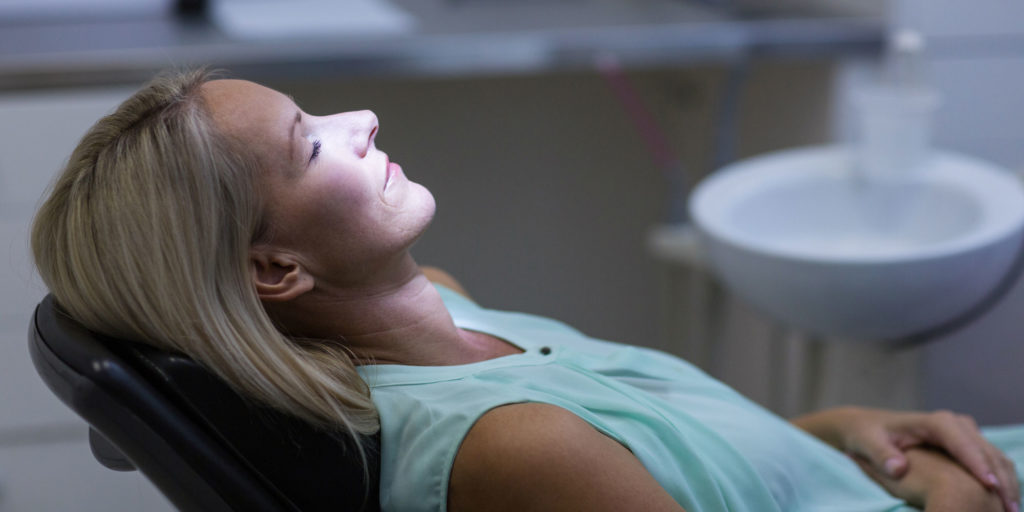
Routine dental care is crucial to maintaining a healthy and confident smile. However, for many, the thought of undergoing dental procedures can trigger anxiety and apprehension. These situations are where sedation dentistry comes to the rescue. By offering a relaxed and comfortable experience, sedation dentistry has revolutionized how people perceive dental treatment.
At Advanced Dentistry Ameredes & Associates, your Pittsburgh dental practice, we can offer sedation dentistry for your benefit at every dental appointment. Schedule an appointment with one of our Oakdale sedation dentists, Dr. TJ Ameredes, Dr. David Mascio, and Dr. Joshua Thorne. Contact our Oakdale office at 412-788-6300.
What Is Sedation Dentistry?
Sedation dentistry, also known as sleep dentistry, is a dental practice that involves the use of medications to help patients relax and remain calm during dental procedures. It’s often used for patients who experience anxiety, fear, or discomfort when visiting the dentist, or for those undergoing lengthy or complex dental treatments.
There are different levels of sedation used in dentistry, and the choice of sedation method depends on the patient’s medical history, level of anxiety, and the nature of the dental procedure.
How Does Sedation Dentistry Work?
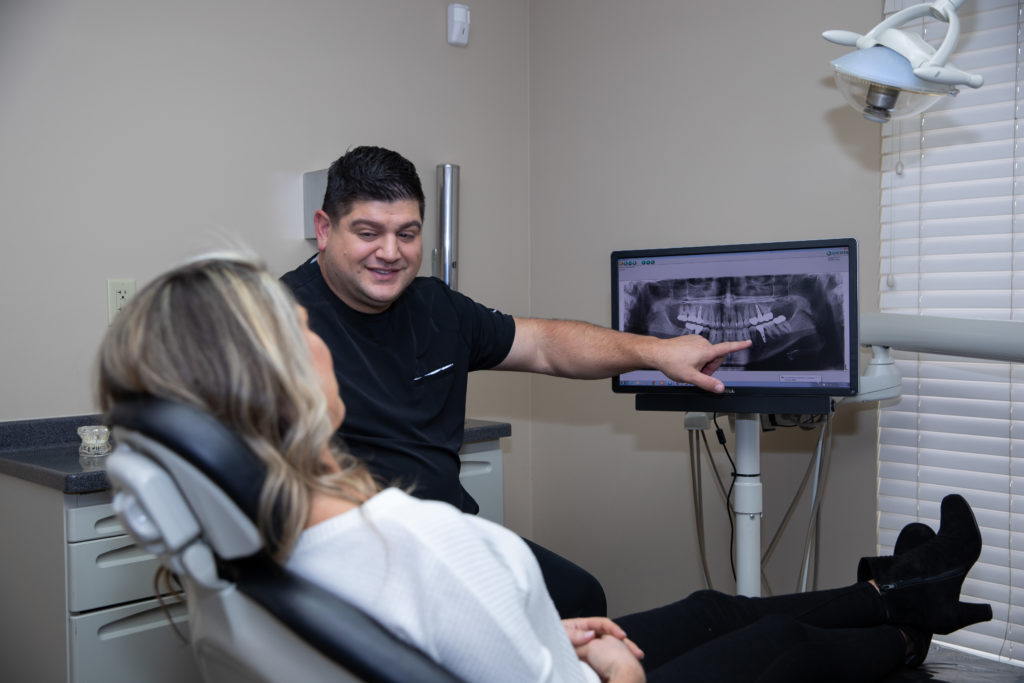
Sedation dentistry works by providing various types of dental sedation to accommodate different patient needs. The three primary levels of sedation are:
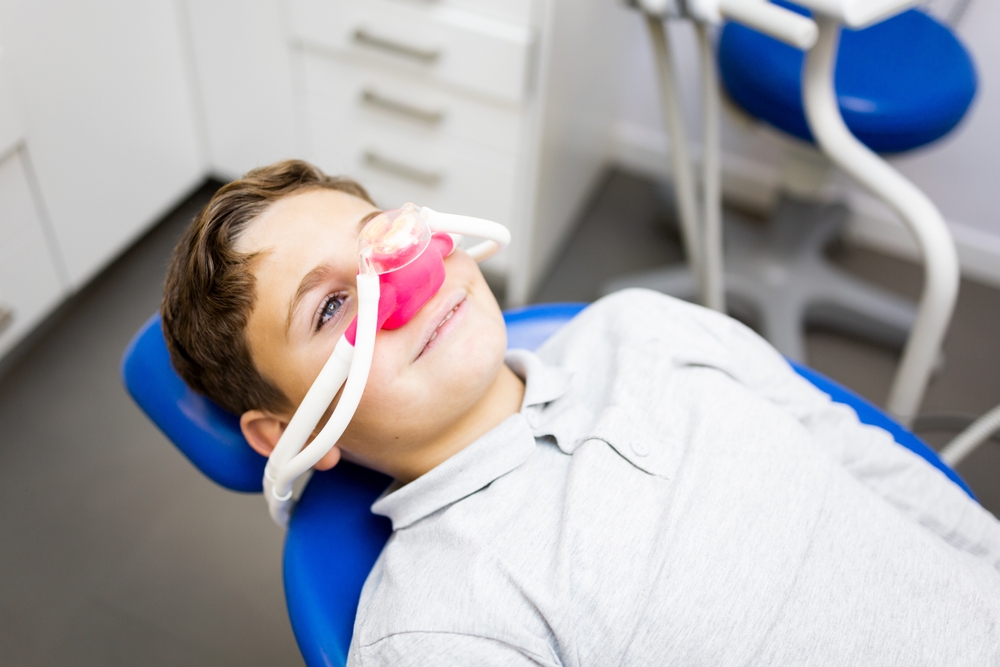
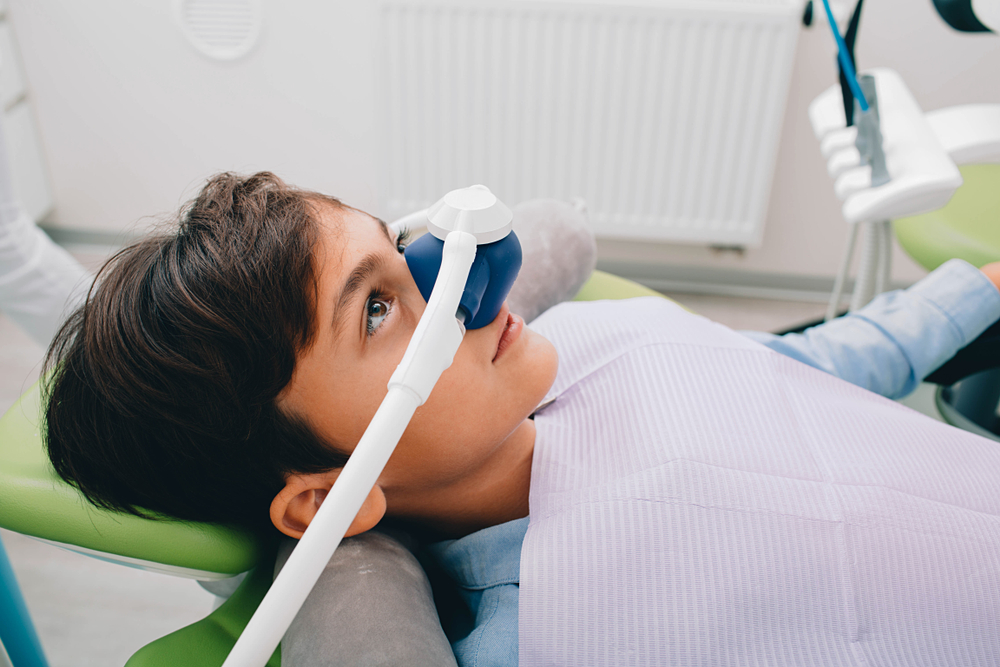
- Minimal Sedation: This level of sedation keeps you awake but relaxed. It’s often achieved using nitrous oxide, also known as “laughing gas.” The dentist controls the amount of gas you receive, ensuring you remain comfortable throughout the procedure.
- Moderate Sedation: With moderate sedation, you may not remember much of the procedure. This level of sedation is usually achieved through an oral sedative taken before the procedure.
- Deep Sedation: While not fully unconscious, you’ll be on the edge of consciousness during deep sedation. It’s commonly administered through intravenous (IV) medications, providing profound relaxation.
Our Sedation Dentistry Options
Nitrous Oxide
Oral Conscious Sedation
IV Sedation
General Anesthesia
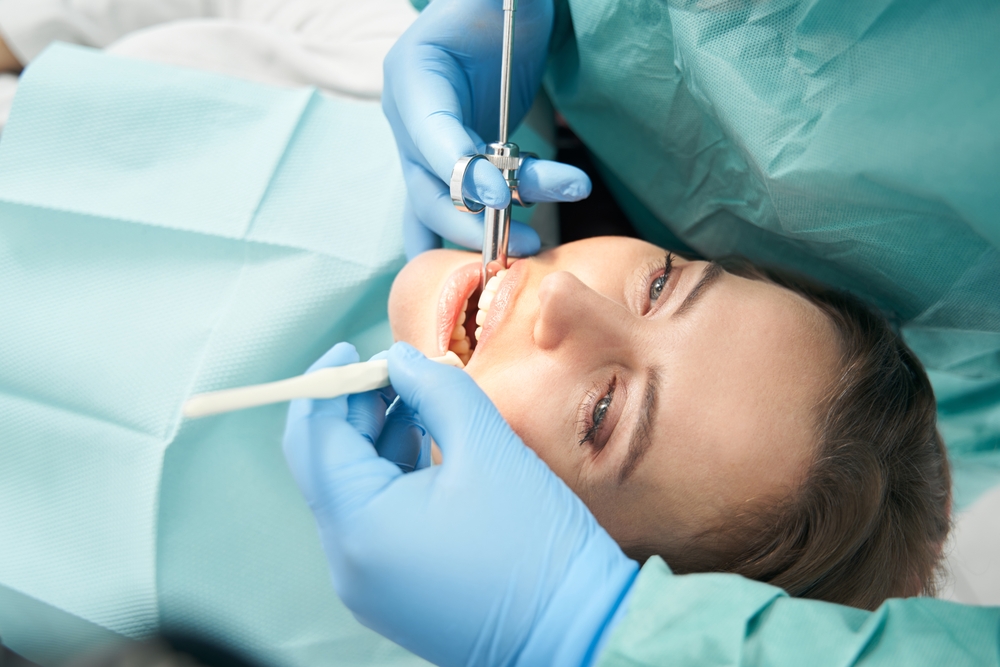
Local Anesthetic

Benefits of Sedation Dentistry
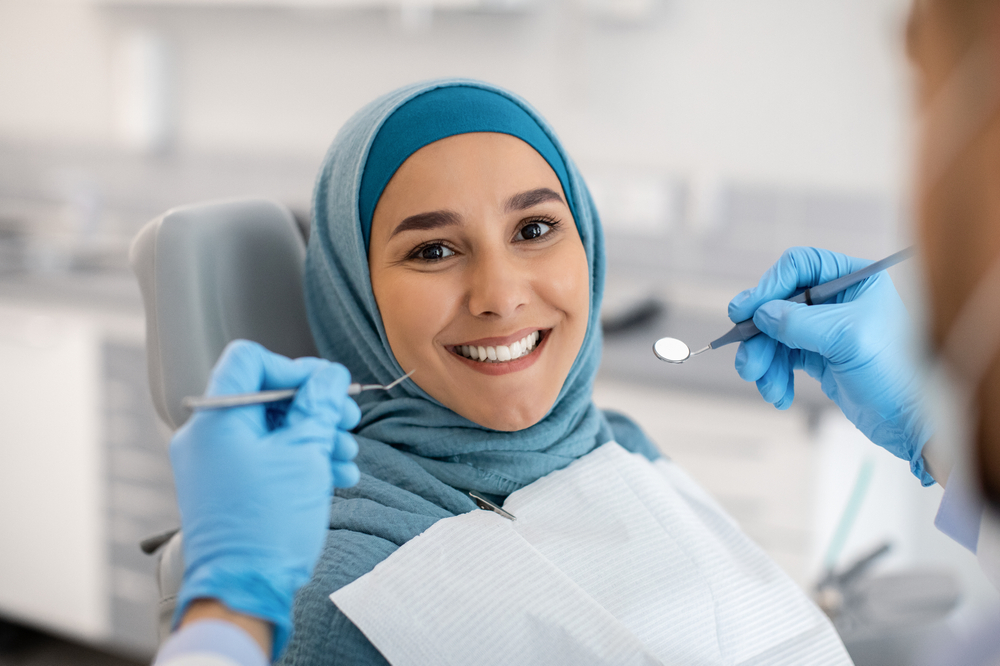
- Anxiety Relief: Dental anxiety is a real concern, often preventing individuals from seeking necessary treatments. Sedation dentistry alleviates this anxiety, making dental visits more manageable.
- Pain Management: Sedation can also include pain-relief properties, providing minimal discomfort during and after the procedure.
- Time Efficiency: Since patients are more relaxed, dentists can perform complex procedures more efficiently, reducing the appointments required.
- No Memory: For those with dental phobias, having little to no memory of the procedure can be a significant relief.
- Gag Reflex Control: Some individuals have an overly sensitive gag reflex, making dental procedures challenging. Sedation helps control this reflex, easing the process.
Candidacy For Sedation Dentistry
While sedation dentistry can benefit many, it might work only in certain cases. People who fall into the following categories might not be good candidates for sedation dentistry:
- Allergic Reactions: Individuals with a history of severe allergic reactions to sedative medications or any components used in the sedation process should avoid sedation dentistry.
- Certain Medical Conditions: Patients with certain medical conditions, such as severe respiratory issues (like untreated sleep apnea), heart problems, or uncontrolled high blood pressure, may not be suitable for sedation due to potential risks.
- Pregnant Women: Pregnant women are generally advised to avoid sedation dentistry, especially during the first trimester, as the effects of sedative medications on the developing fetus aren’t well understood.
- Drug Interactions: People taking certain medications, particularly those that can interact with sedatives, should consult with their healthcare provider before undergoing sedation dentistry.


Dental Sedation Monitoring and Safety
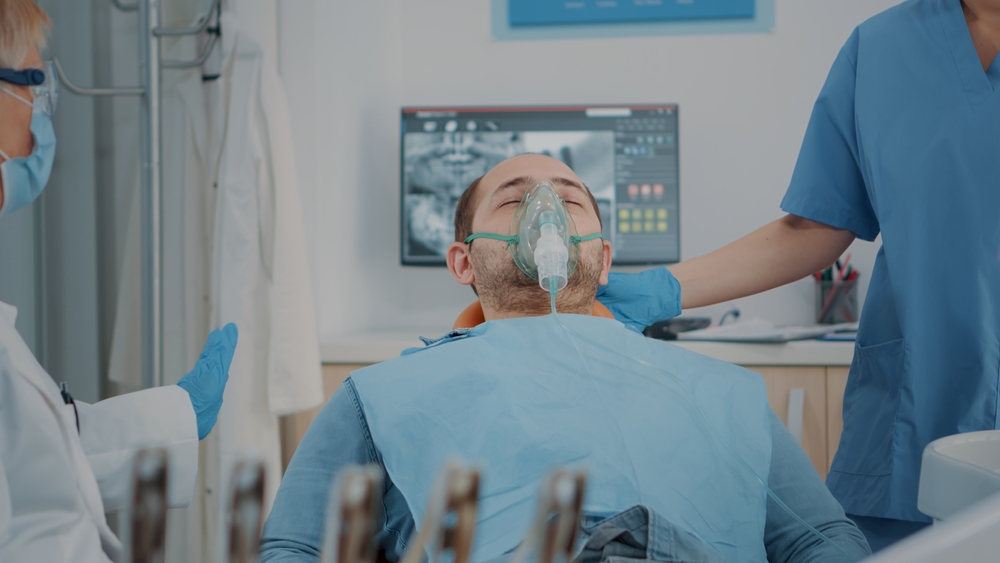
No matter the type of sedation used, patient safety is paramount. Dental professionals closely monitor vital signs and adjust the sedation levels to ensure your well-being throughout the procedure.
Incorporating various types of sedation into dental practice allows for a truly patient-centric approach. Whether you have mild anxiety or require extensive treatment, sedation dentistry offers a solution to make your dental experience as comfortable and stress-free as possible.
Sedation Dentistry Costs
The cost of sedation dentistry can vary widely depending on several factors, including the type of sedation used, the geographic location of the dental practice, the complexity of the dental procedure or oral surgery, and the dentist’s or oral surgeon’s fees. On average, the costs of sedation dentistry range from $25 to $1,500 or more.
Frequently Asked Questions
Sedation works for most patients, but your dentist will evaluate your health history to determine the best approach. It’s especially beneficial for those with anxiety, a strong gag reflex, or extensive treatment needs.
Not necessarily. Minimal and moderate sedation keep you conscious, while deep sedation might cause you to drift in and out of consciousness.
Alleviate Dental Anxiety With Sedation Dentistry!
Sedation dentistry has opened the doors to a more relaxed and enjoyable dental experience for countless patients. By offering various levels of sedation, this approach makes sure dental anxiety no longer stands in the way of maintaining optimal oral health. If the thought of dental procedures has kept you from seeking treatment, consider discussing sedation dentistry with your Pittsburgh sedation dentist.
To schedule an appointment with one of our sedation dentists, contact our Oakdale dental office at 412-788-6300. We also serve surrounding areas such as Cranberry, Bridgeville, and Canonsburg, PA.