

Will You Need General Anesthesia for Dental Treatment?
Dental anxiety is a common issue that prevents many individuals from seeking necessary dental care. However, avoiding the dentist typically causes problems that are painful and require invasive procedures. For certain dental treatments, patients may require or want general anesthesia, especially if they suffer from dental fear, as it leaves them unconscious through the entire procedure.
If you need to see a dentist in Pittsburgh, PA, and want to know more about the benefits of general anesthesia, schedule an appointment at Advanced Dentistry Ameredes & Associates, your Pittsburgh, PA, dental practice. Call our Seven Fields office at 724-776-4560 or our Oakdale office at 412-788-6300.
General Anesthesia - Pittsburgh, PA | Seven Fields & Oakdale, PA
What Is General Anesthesia?
General anesthesia in dentistry involves the use of anesthesia medicines to induce a state of unconsciousness, allowing patients to be completely unaware of a dental procedure. This is achieved through the administration of intravenous (IV) medications or inhalation agents. While under general anesthesia, patients are unable to feel pain, experience anxiety, or remember the procedure.

When Is General Anesthesia Used?
General anesthesia is typically reserved for specific situations, such as:
Complex Oral Surgery
Severe Dental Anxiety
Children and Special Needs Patients
Multiple Procedures



Benefits of General Anesthesia
When general anesthesia is used for dental treatments, patients can experience various benefits:
- Pain-Free Procedures: Patients experience no pain during the dental procedure, making it ideal for complex or lengthy treatments.
- Anxiety Reduction: Patients with dental anxiety can undergo treatment without the emotional stress and fear associated with dental visits.
- Enhanced Safety: Dental professionals can work more efficiently and safely when the patient is completely still and unaware.
- Time Efficiency: Multiple dental procedures can be completed in a single session, reducing the need for multiple appointments.
Administering General Anesthesia
Patient Evaluation
Before administering dental anesthesia, the team performs a thorough evaluation of the patient’s medical history, including any existing medical conditions, allergies, medications, and previous reactions to anesthesia. The dentist will discuss the patient’s dental needs, the complexity of the procedure, and the reasons for choosing general anesthesia. Additionally, they will explain how general anesthesia is administered and the factors that can affect its administration, such as general health, chronic diseases, age, and body weight.
A written consent form is typically signed to confirm the patient’s understanding and agreement to proceed with anesthesia.
Preparation
On the day of the procedure, the patient will be advised to fast for several hours to prevent complications like aspiration during anesthesia induction. The dental team ensures that monitoring equipment, emergency medications, and airway management tools are readily available. Proper preparation is crucial to avoid complications, especially during major or emergency surgery.
The Anesthesia Team
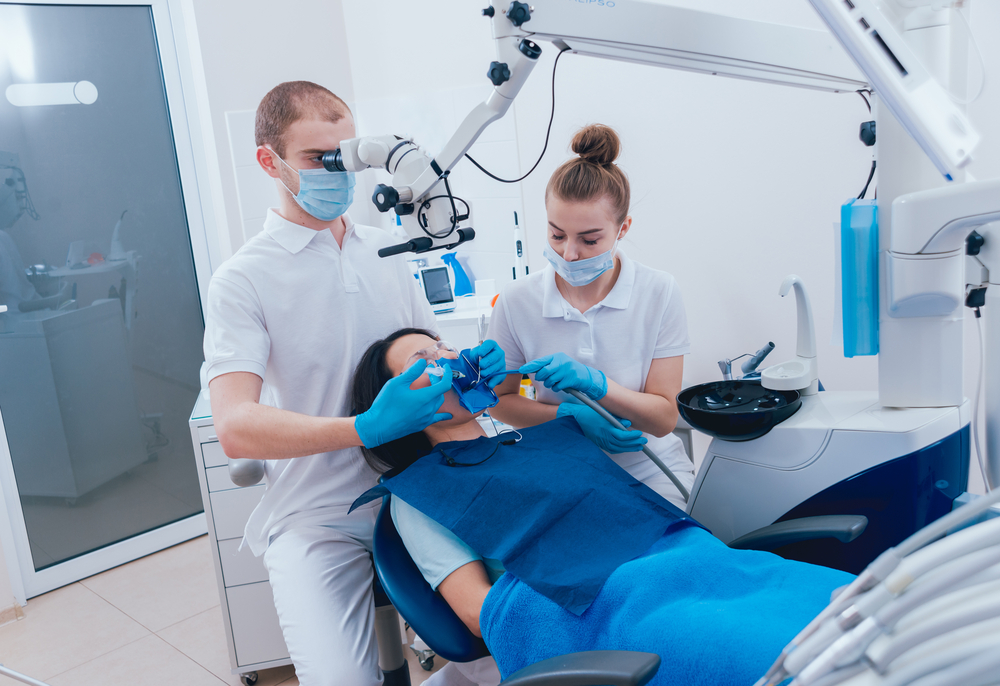
A highly trained anesthesia provider, such as a dental anesthesiologist or nurse anesthetist, works alongside the dentist to administer and monitor the anesthesia throughout the procedure.
The anesthesia team is responsible for assessing the patient’s vital signs, ensuring a secure airway, and adjusting the anesthesia as needed to maintain the desired level of unconsciousness.
Anesthesia Induction and Medicines
Before the procedure begins, the patient is typically given a sedative to help them relax and become drowsy. Once the patient is relaxed, the anesthesia provider administers the general anesthetic through an intravenous (IV) line or by inhalation through a mask. A breathing tube is then inserted into the patient’s mouth and down the windpipe to ensure a secure airway during anesthesia induction.
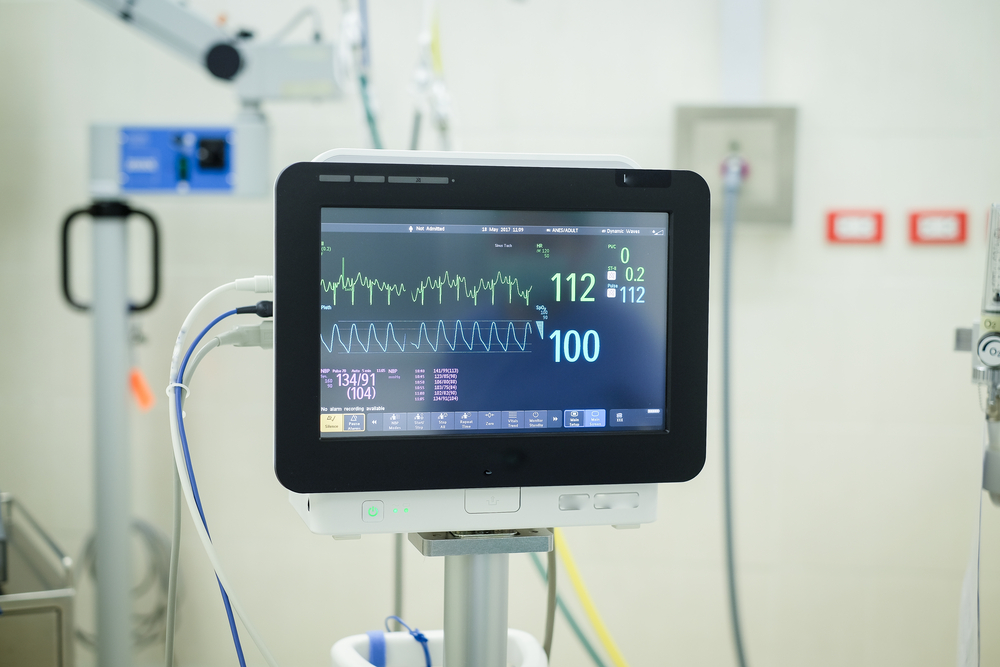
As the patient loses consciousness, their vital signs are continuously monitored, including heart rate, blood pressure, oxygen levels, and carbon dioxide levels.
Maintenance and Monitoring of Vital Signs
During the dental procedure, the anesthesia provider carefully regulates the depth of anesthesia to ensure the patient remains completely unconscious and pain-free. The patient’s vital signs are closely monitored throughout the procedure to detect any signs of distress or complications. The anesthesia team is prepared to make immediate adjustments if necessary.
Post-Anesthesia Care
After the procedure, the dental team provides post-anesthesia care instructions to the patient or their guardian. Patients may experience some grogginess, nausea, or confusion as they recover from the effects of anesthesia. It can take a few hours for the patient to feel completely oriented again after the anesthesia is reversed.


Treatments Where General Anesthesia Dentistry May Be Used


General Anesthesia Risks
While it can be safe and effective, there are risks associated with general anesthesia when used in dental treatments. Potential risks may include:
- Allergic Reactions
- Respiratory Problems
- Cardiovascular Complications
- Aspiration
- Nausea and Vomiting
- Cognitive Effects
- Infection
- Blood Clots
Oral Surgery
- Wisdom Teeth Extraction: Removing impacted or problematic wisdom teeth can be a complex and potentially painful procedure, often requiring general anesthesia. These types of complex dental surgeries are considered significant surgical procedures.
- Jaw Surgery (Orthognathic Surgery): Correcting severe jaw misalignments or skeletal abnormalities may involve extensive oral surgery, often performed under general anesthesia.
- Cleft Palate Repair: Surgical repair of a cleft palate or cleft lip in pediatric patients may require general anesthesia.
Dental Implant Placement
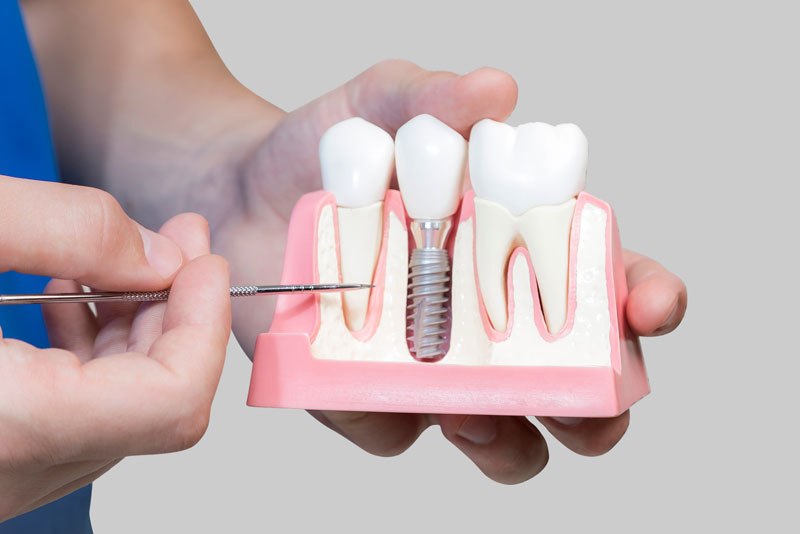
Dental implant procedures involving multiple implants or complex cases may be performed under general anesthesia to ensure patient comfort during the surgery.
Pediatric Dentistry
Some children, especially those with special needs or extreme dental anxiety, may undergo general anesthesia for pediatric dental treatments such as extractions, fillings, or crowns to ensure their safety and cooperation.
For minor procedures, local anesthesia can be a more targeted and appropriate alternative, providing effective pain management while minimizing risks.
Multiple Dental Procedures
When a patient requires multiple dental procedures, such as extractions, root canals, and restorative work, performing them in a single session under general anesthesia can be more efficient and comfortable for the patient.
Complex Restorative Dentistry
Full-mouth restorations or extensive cosmetic procedures that involve multiple teeth may be performed under general anesthesia to ensure precision and patient comfort.
Maxillofacial Surgery
Procedures involving the correction of facial deformities, fractures, or reconstructive surgery of the jaw, face, or head may require general anesthesia.
In some cases, regional anesthesia can be used as an alternative for certain maxillofacial surgeries, allowing patients to stay alert and pain-free during the procedure, recover more quickly, and minimize the risk of addiction to painkillers.

General Anesthesia Costs
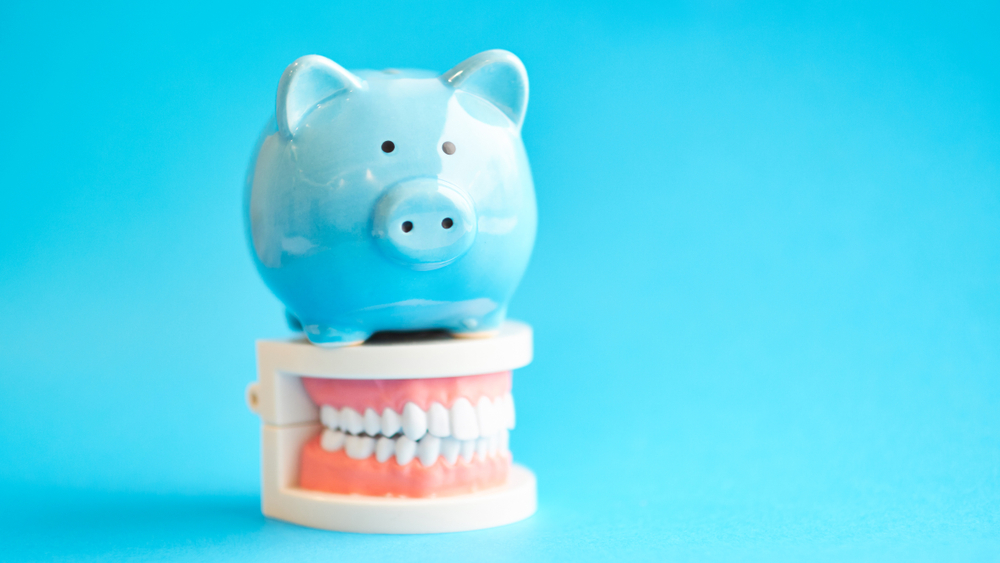
When it comes to the cost associated with general anesthesia, rates can vary between $400 to $1,000 an hour. The cost varies depending on the following factors:
Location
Procedure Complexity
Anesthesiologist Fees
Duration of Anesthesia
Dental Practice or Clinic
Insurance Coverage
Additional Costs

Frequently Asked Questions
Recovery times vary, but most patients regain consciousness within minutes after the procedure. It’s essential to have someone accompany you and arrange for transportation home.
You may feel groggy for a couple of hours after your dental procedure with general anesthesia. Post-operative care in the recovery room is crucial to ensure a smooth transition from the deep-sleep state induced by the anesthesia.
Yes, there are other forms of dental sedation other than general anesthesia. Alternatives may include nitrous oxide (laughing gas), oral conscious sedation, and IV sedation. Talk to your dentist about your dental sedation options.
Schedule General Anesthesia Services at Advanced Dentistry
If you have questions or concerns about dental procedures and anesthesia, don’t hesitate to contact one of our dentists or an oral surgeon. We can provide you with personalized information and guidance tailored to your specific needs.
To schedule an appointment with one of our dentists, contact our Oakdale dental office today by calling 412-788-6300 or dial 724-776-4560 to reach our Seven Fields office. We’ll discuss our sedation dentistry options and help you stay calm and relaxed during your appointment! We also provide general anesthesia services to patients from surrounding areas such as Cranberry, Bridgeville, and Canonsburg, PA.